Hani ton Kalianon


Hanin (derived from the Turkish word han), meaning an Inn, an old type of hotel, was one of the most important public buildings along with the public baths. These kinds of Inns operated in Cyprus until the early 20th century. The countryside Inns were in the middle of the cities and used by travellers and caravans for overnight stays, because travelling with animals or wagons from one city to another required overnight stays.
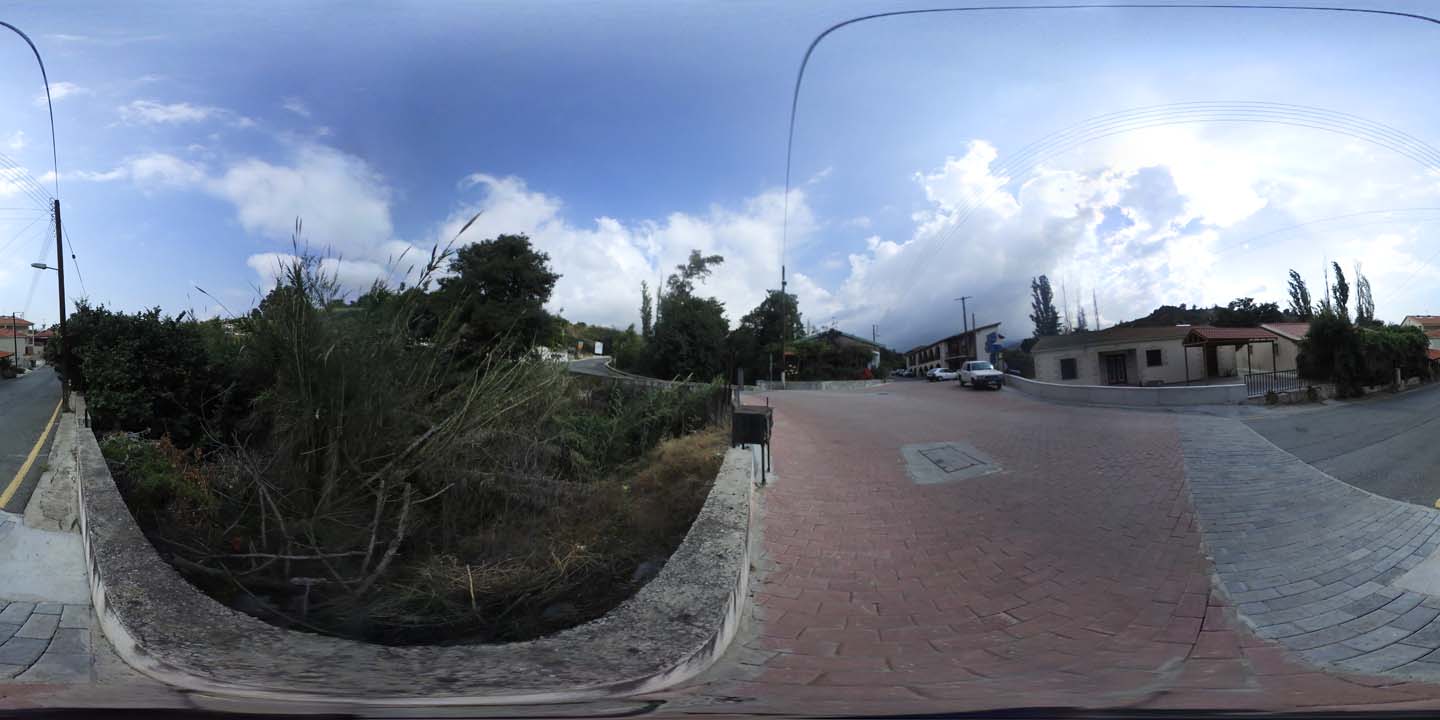
Hani ton Kalianon, also known as ‘The Stop’ in Greek, is located on the old road of Nicosia to Troodos and is an excellent example of folk architecture. It was built around 1900 AD.
This stop, used as a resting point for travellers in earlier times when travelling was difficult and problematic, was initially an Inn and later turned into a café-restaurant. It was housed in a two-storey building with arches, which is an exquisite example of popular Cypriot architecture and was marvelously identified with the lush landscape all around, by the river and the old bridge nearby.
Today this building has been declared a listed monument, it has been restored and is used as a cultural centre.
For some time, because the stop had been known as Kaliana, the village itself was referred to as Pano (upper) Kaliana to differentiate it from the Inn. Over the years this reference did not carry on.
Location
Architecture

Old Tembria Village
The village of Tembria is located in the centre of the Solea valley, on the west side of the Klarion River. It is 60 km from Nicosia and the average altitude of the village is 500 m. Tradition says that there was an ancient kingdom in the area of the
Palia (Old) Kakopetria
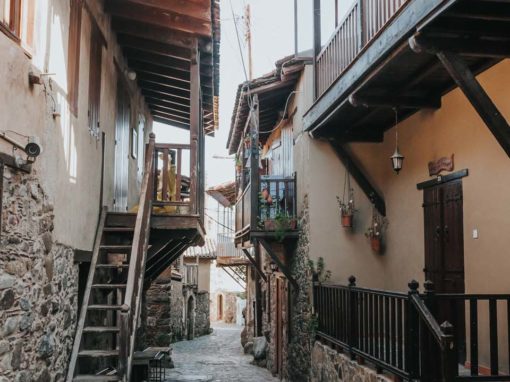
The traditional architecture, on which the building of the houses is based, as well as the traditional way of land mapping Palia Kakopetria, are classified in the rare examples of folk architecture. The old district of the village, with narrow and wind
Palia Galata (The Old Village of Galata) – Traditional Architecture
The settlement of Galata, although compact and centralised around the church of Panagia Odigitria, is built along the valley of the Karkotis river. The tiled roofs, wooden balconies and local stone with which the walls of the houses and the mantles are

Traditional Balconies – Terraces
Galata is also known as the “village of the balconies” due to the many houses with balconies. They are all buildings of the 1900s. The balconies of Galata, especially during the summer months, were where families would gather. There, they enjoyed the c