



Crataegus Azarolus (Hawthorn)
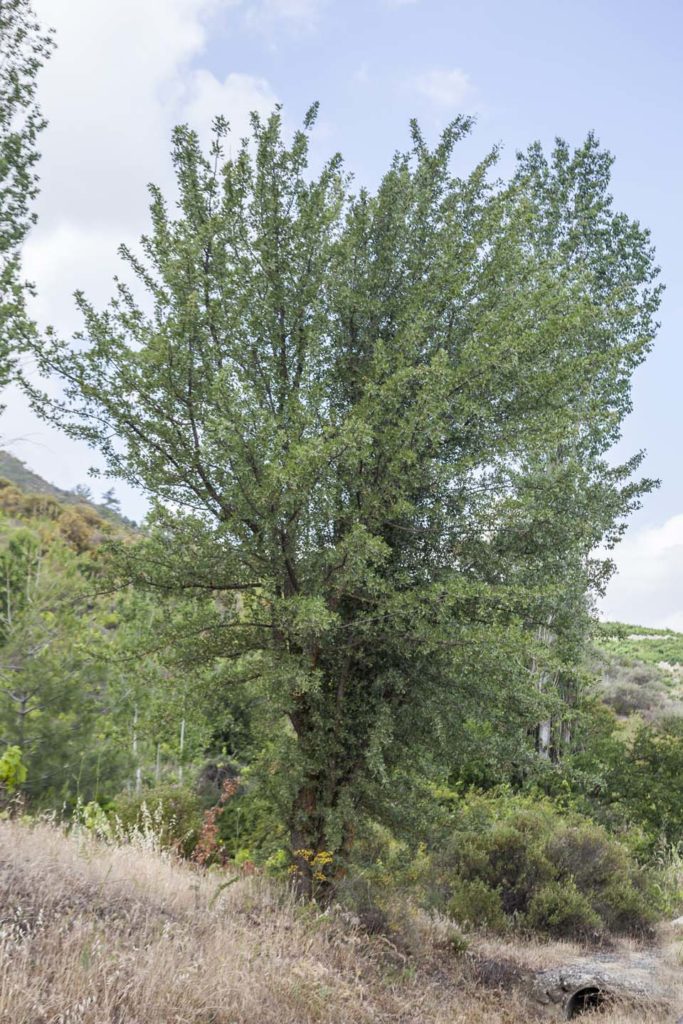

The Hawthorn (crataegus azarolus) is a resilient and strong bush and/or tree of the Mediterranean. It thrives in the Troodos mountains up to an altitude of 1800 meters. In soils very acidic to very alkaline (Ph 5-9). It grows slowly and can reach up to 2-5 meters.
The Hawthorn is a deciduous tree. It usually flowers in May, and has many beautiful, small white flowers, its fruits mature in October. Both its flowers and fruit have excellent properties and are very beneficial to human health. Its flowers make a very nice tea. The wisps of the fruit makes wonderful jam.
The Troodos mountains are covered with forests with unique natural beauties. The plant species living in the Troodos forest are more than 750. Among the 72 endemics of Cyprus, of which 12 live exclusively in the Park and nowhere else on the planet.
Most of the Troodos forest was declared in 1992 at National Forest Park. The purpose of the declaration is to preserve and properly exploit its valuable functions and values: ecological, scientific, hydrological, recreational and tourist.
Location
Flora - Fauna

Klarios Valley
The Klarios or Karkotis River, with a length of almost 25 km, stems from the Troodos Mountains and until it reaches Morphou Bay, passes through the Solea Valley. The beautiful Solea valley is located along Nicosia – Troodos road (56 km from Nicosia, 56

Olea Europaea (Wild Olive Tree)
At lower altitudes dominate the Maquis forests, with several dominant species, one of which is the Olea europaea. The Wild Olive tree is a long-living bush, essentially immortal. It has many branches, that get twisted, which, when dried, create new sec
Palia (Old) Kakopetria
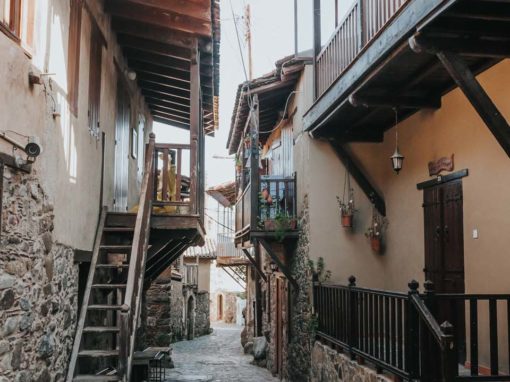
The traditional architecture, on which the building of the houses is based, as well as the traditional way of land mapping Palia Kakopetria, are classified in the rare examples of folk architecture. The old district of the village, with narrow and wind
Pinus Brutia (Rough Pine)
The forests of Cyprus are mainly natural forests with an amazing biodiversity and high ecological value. They have little wood productivity, but they are very important because they offer many other goods and services, with economic value multiplied by

